
Cabinet Painting Sacramento is a great way to update the look of your kitchen without spending a fortune. It is also a more environmentally friendly option than replacing old cabinets. Cabinet paint is formulated to be more durable than wall paint and to resist chipping, scratching, and staining. This is important for a busy family kitchen.
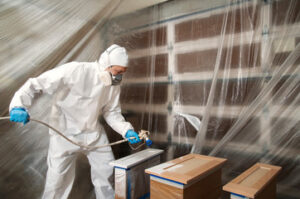
Cabinet painting is a popular way to transform kitchens, baths, and other interior spaces. This process can be more cost-effective and less invasive than cabinet refacing or replacement, and it offers endless design options to suit any taste. However, for a successful paint job that lasts, it is crucial to prepare the surface properly before beginning. Achieving a flawless finish requires thorough cleaning, sanding, and priming. Skipping these steps can lead to a patchy or uneven finish.
Unlike wall paint, which is designed to grip smooth surfaces, cabinet paints are made to adhere to rough, porous surfaces. This means that the first step to a successful cabinet paint job is to thoroughly clean the cabinets, doors, and drawer fronts. Using a degreasing cleaner such as Krud Kutter or trisodium phosphate (TSP) will help remove grease and other grime that may prevent the new paint from adhering properly.
Once the cabinets are clean, sanding the surface will allow for better adhesion and create a smoother, more even finish. It is important to use a fine-grit sandpaper to ensure that the surface is smooth, and to wipe down the sanded areas with a damp cloth to remove any dust that remains.
Another key to a successful cabinet paint job is to use a premium, acrylic latex-based primer and paint. This type of paint will provide a stronger bond with the wood surface, and it is also easy to clean up. For best results, apply the primer and paint to the back side of the cabinets first, and then flip them over when they are dry. This will help prevent the primer and paint from bleeding through to the other side of the cabinet.
A final step before you begin the actual cabinet painting is to make a list of all of the pieces that need to be painted. This will help you keep track of what is being painted and where it needs to go once the project is completed. It is also a good idea to label each cabinet door and drawer front before removing them, so that you can reassemble everything in the proper order once the job is complete.
Primer
Painting cabinets is an affordable way to give a kitchen or bathroom a fresh new look without spending the money on a complete remodel or replacement. The key to getting a professional, long-lasting finish is a good quality primer. Not only does it seal the surface, but it also creates a smooth foundation for your paint job. Without a good primer, your paint will chip, peel, or crack easily. This is especially important in high traffic areas such as a kitchen, where your cabinet doors are frequently opened and closed.
The first step in priming is to remove any existing finishes from the cabinet surfaces, including the door and drawer fronts, with a power sander or hand sander. A light sanding will make the surface smooth, and this will help your new paint adhere to the surface. A medium grit sandpaper is usually best, but an electric sander can make the task much faster and easier. Afterward, wipe the surfaces down with a damp cloth to remove any dust or residue.
There are several different types of primers available, so it’s important to choose the right one for your cabinets. For example, oil-based primers can provide excellent adhesion and prevent mildew growth in moisture-prone areas, but they take longer to dry than water-based alternatives.
Choosing the correct type of primer is just as important as choosing the right color of paint for your cabinets. For example, wall paints aren’t designed to stick to slick surfaces like cabinet doors and boxes, so they won’t hold up well over time. Cabinet paints, on the other hand, have special adhesives to help them adhere to the slick surfaces.
There are also specialized primers that can hide stains or bleed from previous topcoats, as well as primers that create a strong bond between the surface and the new coat of paint. If your cabinets have nicotine or other stains, a stain blocking primer will be helpful to ensure that the new coat of paint doesn’t show through. Once you’ve selected a primer, allow it to dry completely before proceeding to the next step.
Paint
Cabinet painting is a quick, inexpensive way to give your home’s kitchen or bath cabinets a fresh new look. While it’s a DIY project that many homeowners can take on, there are some crucial points to keep in mind before and during the process to ensure that your paint job turns out as beautiful and durable as possible.
When it comes to selecting the right cabinet paint, you’ll have many options from which to choose. The most common choice is latex paint, which goes on easily and dries quickly, with minimal odors, and easy-to-clean surfaces. It adheres well to cabinets made from softwood, such as oak and hickory. However, if your cabinets are made from hard woods like cherry, maple, or birch, you’ll need to prime them before using latex.
Oil-based paints are another option for painting cabinetry. While they offer superior durability compared to other types of paint, it is important to remember that these paints emit strong fumes during and after application that can be dangerous for humans and pets. In addition, oil-based paints require a longer drying time than other types of paint and are more likely to smudge or drip before they’re completely dry.
Acrylic paint is also a good choice for cabinetry, especially if your cabinets are made from hardwoods. It dries harder than other types of paint and resists chips, scratches, stains, and other damage well. It’s available in a variety of sheens, including matte, satin, eggshell, and semi-gloss.
The first step in preparing to paint your cabinets is to remove all hardware and doors. This will make the job a lot faster and easier, and will protect your furniture from any accidental scratches or spills. Next, you’ll need to sand the cabinets’ surface to expose the bare wood and ensure that the primer and paint will adhere properly. You’ll want to use a medium-grit sandpaper on your hand sander, or a power sander if you have one.
Once the sanding is complete, you’ll need to wipe down all surfaces that are going to be painted with a clean, damp cloth. This will help to remove any dust or dirt that has accumulated on the surfaces, as well as any previous varnish or stain that might be present.
Finish
Cabinets are used daily and exposed to constant moisture, so they require a durable finish that resists chipping, scratching, staining, and yellowing. Unlike wall paint, cabinet paints are designed with higher levels of resins to ensure durability. For this reason, it’s important to clean, sand, and prime your cabinets before beginning the painting process. Choosing the right paint is also important. If you have hardwood cabinets, choose a latex paint that’s easy to apply and cleans well. It’s also recommended to prime your wood cabinet surfaces before using a latex paint, as it will help to ensure better adhesion and prevent blotchy, uneven absorption.
Softwood cabinets can be painted with latex, oil-based, or even enamel-based paints. The type of paint you use will depend on the color and style you’re going for. For example, gloss and semi-gloss paints are popular for kitchen cabinets because they are durable and water-resistant. However, they are more susceptible to smudges and fingerprints, so you may need to clean them more often than satin or matte finishes.
Another option is to use a metallic spray paint to update your cabinet hardware. This is a cost-effective and quick way to give your kitchen a fresh look without replacing the hardware completely. For best results, make sure to remove the hardware from your cabinets before applying the paint and use a primer with a built-in mildew inhibitor.
Painting your cabinets can be a tedious project, but the results are long-lasting and satisfying. If you’re not up for the task, consider hiring a professional to complete the work. Their experience and expertise will ensure your cabinet painting looks smooth and flawless.
Whether you’re looking to change your kitchen’s color scheme or simply upgrade the style, cabinet painting is a quick and affordable option that can improve your home’s value. While it’s less expensive than refacing, it’s not a permanent solution to worn or outdated cabinets. Refacing is a more durable alternative that involves adding veneers and replacing cabinet doors, but it can be more expensive and take longer to complete.